Treatment Nonadherence
As presented by patient/family stories earlier, medication may be discontinued due to problems with side effects because the medication is not working, the cost of the medication is a hardship or has limited availability, or to see if the ADHD has remitted. Most nonadherence is intentional. Patients and families make a deliberate decision not to continue behavioral therapy or training interventions or take their medicine based on their knowledge, experience, and beliefs.
Here are 8 common reasons for intentional ADHD nonadherence:
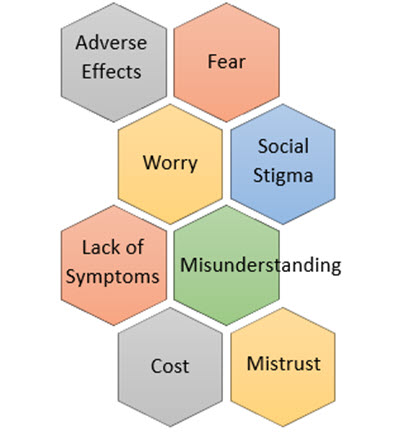
When confronted with nonadherence, consider the following:
- Identify the reason for nonadherence. Ensure that the target goals are appropriate and understood.
- Use motivational interviewing strategies with adolescents to identify discontinuation reasons and to address adherence to medication.
- Recognize that ADHD follow-up care and treatment adherence can be enhanced by improving the relationship between the family and the medical home, so the family feels involved and knowledgeable about their child’s health condition and treatment regimen.
- Provide education to help patients/families understand the impairment that may occur because of ongoing ADHD symptoms if appropriate treatment is discontinued or interrupted.
- Address the potential harms of stopping treatment if indicated: physical safety due to impulsivity, stigmatization by and negative interactions with peers and adults, risk of physical abuse, and poor self-esteem.
- Present additional treatment options. Explain to patients/families that there is no one-size-fits-all treatment regimen for ADHD.
- Consider using an N of 1 medication trial to demonstrate whether the adolescent continues to require medication. (An N of 1 trial is a planned, iterative trial off and on of stimulant medication, using adolescent, parent, and teacher reports on target behaviors/goals to determine whether medication is still a necessary component of a comprehensive ADHD treatment plan.) Certain factors may influence the timing of the N of 1 trial. For example, consider waiting at least a month after school has started and avoid times when there are significant changes in the patient’s life/schedule. Consider limited the number of N of 1 trial per year (generally only 1).
Resources from the ADHD Toolkit (Available with Toolkit Purchase or Pediatric Care Online Subscription):